Unlock the Secret to Your Own Energy Independence with a Cutting-Edge Home Solar System!
In an age where energy independence is more crucial than ever, the growing popularity of home solar systems is hard to ignore. With rising energy costs and environmental concerns, many homeowners are turning to solar energy as a sustainable solution. A complete home solar system with a battery not only allows you to harness the sun's power but also provides a reliable backup during outages. With a specific focus on the 4kW capacity, this article will explore the various purchasing options and considerations for those looking to make the switch to solar energy.
Understanding Home Solar Systems
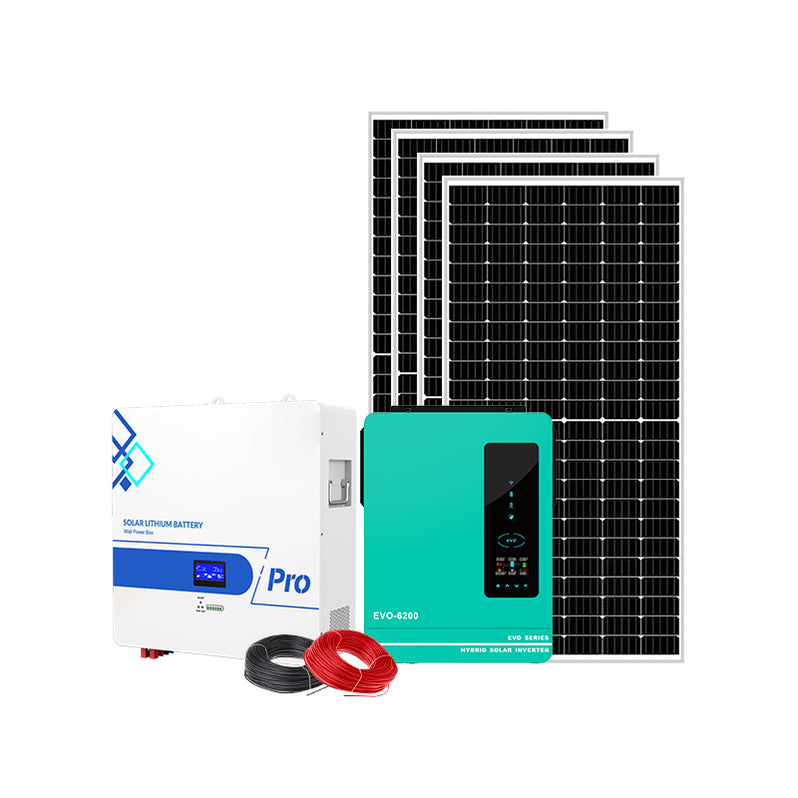
A home solar system primarily consists of solar panels, an inverter, and a battery. The solar panels capture sunlight and convert it into direct current (DC) electricity. This electricity is then sent to an inverter, which transforms it into alternating current (AC) electricity, making it usable for your home appliances. In a 4kW system, you can expect it to generate a significant amount of power for an average household, depending on your location and roof orientation. The battery plays a crucial role, storing excess energy generated during the day for use at night or during cloudy weather, ensuring that your household remains powered even when the sun isn’t shining.
Benefits of a 4kW Complete Home Solar System
Installing a 4kW complete home solar system comes with numerous advantages. Firstly, energy savings are significant; many homeowners experience a substantial reduction in their monthly electricity bills. Additionally, using solar energy reduces your carbon footprint, contributing positively to environmental sustainability. Furthermore, properties equipped with solar systems often see an increase in value, making it a wise investment. The inclusion of a battery enhances your energy independence by providing a reliable power source during outages, allowing you to maintain your daily routines without interruption. A friend of mine recently installed a similar system and reported not only lower bills but also peace of mind knowing they could rely on stored energy during storms.
Factors to Consider When Purchasing a Solar System
Before purchasing a solar system, there are several key factors to consider. Start by evaluating your energy consumption—understanding your household's energy needs will help determine the right system size. Additionally, assess your roof space; a 4kW system requires a certain amount of surface area for installation. Local regulations and incentives can also play a significant role, as some areas have specific requirements or benefits for solar installations. It’s important to conduct a thorough assessment to ensure that the system you choose aligns with your energy goals and physical space.
Installation and Maintenance of Your Solar System
The installation process for a complete home solar system typically involves several steps. First, a professional will conduct a site assessment to determine the best installation approach. Following this, mounting brackets are installed, and the solar panels are fitted. Once the panels are in place, the inverter and battery are connected to your home’s electrical system. Regular maintenance is essential for optimal performance; this includes cleaning the panels, checking for shading, and ensuring that all components are functioning correctly. My neighbor, who recently went solar, emphasizes the importance of routine checks to maximize efficiency and extend the lifespan of the system.
Financing and Incentives for Solar Systems
Financing options for purchasing a home solar system can vary widely. Common choices include loans, leases, and power purchase agreements (PPAs). Each option has its own advantages and can make solar energy more accessible. Moreover, many governments offer incentives and rebates to encourage solar adoption, significantly reducing the overall cost. Researching these financial options can help you find the best solution tailored to your budget and energy needs, making the transition to solar not only feasible but also financially sound.
Summary of Key Benefits and Considerations
In summary, transitioning to a 4kW complete home solar system with a battery is a powerful way to take control of your energy usage and contribute to a sustainable future. The benefits, from energy savings to increased property value, are compelling reasons to consider making this investment. As you explore your options, remember the importance of understanding your energy needs and the available financing and incentives. Achieving energy independence is not just a dream; with the right solar system, it can be your reality.